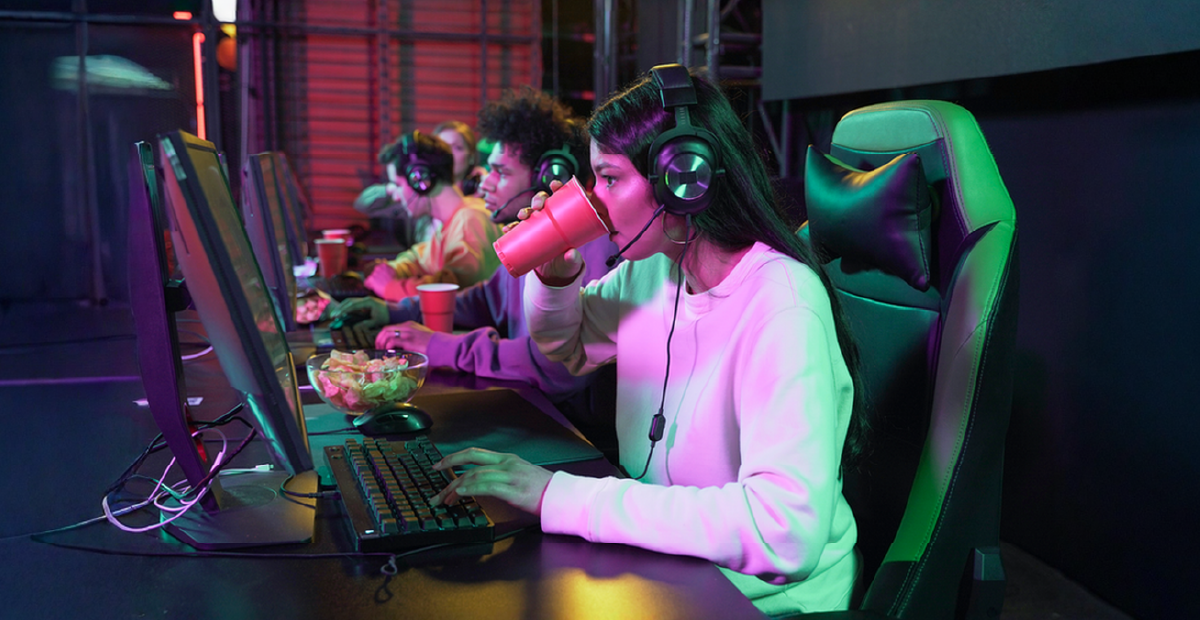








Are you aware of the modern digital landscape where millions of mostly young adults tune in nightly, not just to watch video games but to watch influencers gamble thousands of dollars on slots and roulette?
This is the massively growing world of streamers and online gambling, bringing with it the risk of gambling addiction among the Gen Z generation of digital natives ages 17-29.
Streaming platforms like Twitch, Kick, and YouTube have successfully normalized online gambling. By merging entertainment, community, and advertising, they have transformed a high-risk activity into a widely accepted spectator sport.
Representing a major shift from traditional TV ads, these immersive, multi-hour live streams build deeper connections with audiences.
Turning online gambling into a spectator sport, streaming platforms like Twitch and Kick have blended high-stakes betting with live entertainment to attract young audiences. Massive growth in the industry is driven by gambling that feels accessible, social, and exciting.
In this article, I explain what streamers are and how they operate and discuss the migration to gambling platforms and their impact, especially on young adults.
What is a Streamer?
By broadcasting themselves to an audience live over the internet, streamers interact with viewers in real time while engaging in specific activities. This is unlike traditional media personalities who appear on prerecorded and edited television shows. Streamers create unscripted content, featuring personality, spontaneity, and community engagement.
The Core Elements of Streaming
Streaming has three main elements:
Live Broadcasting: A central aspect, this creates a sense of immediacy and shared experience that prerecorded videos cannot replicate.
Real-Time Interaction (Chat): A live scrolling feed where viewers type messages; the “chat” is the key feature of a streamer’s broadcast. By building a “parasocial” relationship through two-way interaction, viewers feel a personal connection to the streamer. It is similar to a friendship, even though mainly one-sided.
On platforms like Twitch, the medium has exploded into countless categories, starting from its roots in video gaming. Today, streamers broadcast:
- Gaming
- Just chatting
- IRL (In Real Life)
- Music and creative activities
- Gambling: A controversial but growing niche where streamers play online casino games (slots, blackjack, and poker) while commentating.
Where Do They Stream?
Currently, streamers present through specific platforms. Each has its own culture and policies:
- Twitch.tv: The market leader. It hosts a wide variety of content, although heavily associated with gaming culture.
- Kick.com: A newer competitor that has gained notoriety for its lax regulations and high revenue splits for creators. It has become a haven for “gambling streams” (often referred to as “gamba” streams) because it allows links to online casinos that are banned on Twitch.
- YouTube Live: This is the live component of the world’s largest video platform.
- Facebook Gaming and TikTok Live: Both are major players who leverage their massive social media user bases to host live content.
How Do Streamers Make Money?
Understanding a streamer’s income is key to understanding its influence. Streamers are entrepreneurs and brand builders, not just hobbyists. Revenue streams typically include:
- Subscriptions
- Donations & “Bits” (Twitch’s own virtual currency system)
- Advertising
- Sponsorships: A primary driver of normalization is gambling sponsorships. With these, casinos pay streamers to play their games on air, since the gambling content looks like regular entertainment rather than a paid ad.
- Affiliate Marketing: Streamers earn commission on every sale or sign-up generated by providing links or codes for products (such as a betting site sign-up code).
The Migration to “Gamba” Platforms: Policy as a Business Model
The normalization of gambling was accelerated by a “great migration” of streamers, driven largely by financial incentives, from restrictive platforms to more permissive ones.
Streamers previously earned huge payouts by showcasing slots and roulette on Twitch. They hosted popular gambling streams, especially with crypto casinos like Stake.com and Roobet.
Due to scamming scandals after a 2022 ban on unlicensed sites, content migrated to Kick, backed by Stake.com, which embraces gambling streams. Due to its looser rules and 95% revenue share for streamers, Kick fueled its rise as a gambling hub.
The Migration from Twitch to Kick
In 2022-2023, Twitch’s policy shift banned unlicensed casino sites (slots, roulette, and dice) due to community backlash. This didn’t ban all gambling, just unregulated sites [1] [2].
As a “gambling-friendly” alternative, Stake.com, a crypto-casino, directly funded the creation of Kick. Top streamers who felt constrained by Twitch were attracted by the platform’s 95/5 revenue split and relaxed rules.
YouTube, taking a middle ground, has banned unapproved sites. It now allows content but with age restrictions and strict rules on disclosures [3].
The Mechanics of Normalization: Beyond Traditional Advertising
Streaming’s normalization of gambling cannot be matched by traditional ads due to its psychological engagement and perceived authenticity.
Viewers form deep, “friend-like” connections with streamers, called parasocial relationships. Trusting the streamer’s judgment, loyal fans follow streamers when they switch from gaming to gambling content.
This normalization created a phenomenon called the “urge paradox,” where viewers watch to safely satisfy gambling urges, only to find intensified cravings leading to betting with real money. 60% of Kick’s 18-34-year-old demographic experience this. Starting as vicarious thrills from viewing the experience, it evolves into craving real bets [4].
The Rise of “Gambling on Gambling”
With features such as “channel points,” viewing experiences are gamified as viewers bet on the streamer’s outcomes. Essentially, this is “gambling on gambling.” And it mirrors the reward schedules of actual slot machines.
Without viewers risking money initially, but mimicking casino vibes, streamers create communal excitement with real-time reactions, viral win clips, and giveaways.
Through affiliate deals, creators are paid commissions on viewer wagers. To evade ad bans, “clipping armies” spread big-win moments on social media. Entertainment and betting platforms add slot-like “channel points” for wagering on stream outcomes.
The Hypocrisy Debate: Platform-Level Monetization
The normalization process reached a new peak in late 2025 and early 2026, as platforms like Twitch began directly profiting from the very industry they had publicly restricted.
Twitch experienced an ad controversy in early 2026 with a recent shift where Twitch began running automated ads for regulated sportsbooks (e.g., DraftKings, FanDuel) in the US.
There is now a “hypocrisy war” among top creators like Asmongold and xQc, who pointed out that Twitch now profits from gambling ads while punishing individual streamers for the same behavior.
This move signaled to millions of viewers that while “unregulated” gambling is bad, “regulated” gambling is a normal, acceptable part of entertainment culture, endorsed by the platform itself.
Industry Impact
Casino streaming revenue hit $2.8 billion in 2025, boosted by pandemic habits and mobile tech. 43% of young adults watch weekly. Twitch’s ban resulted in a 63% reduction in gambling streams. Amid ethical concerns, Kick absorbed viewers, sustaining growth. Online casino markets now project $67 billion by 2035, partly from streamer-driven recruitment [5].
The Human Cost and Regulatory Gaps
This widespread normalization has tangible consequences, especially for young adults, who are the main consumers of this content.
The largest demographic (up to 60%) is viewers aged 18–34 on platforms like Kick. 46% of young people see gambling ads on streaming platforms weekly.
High-profile legal cases allege that losses were misleadingly portrayed as organic rather than sponsored.
Since content simply migrates to less regulated platforms, enforcement remains difficult, while countries like Germany have banned streaming gambling ads.
By 2025, platforms like Kick added 18+-year-old ID checks and cut payouts for gambling streamers. North. US regulators eye rules like the EU’s Digital Gambling Directive.
The Problem Gambling Impact of Streaming on Young Adults
Significant risks for young adults are posed by online gambling addiction. Studies show that 8.5-10% of men aged 18-30 show signs of problem gambling [6]. This far exceeds the 3% overall rate in the general population, generally tied to online sports betting and slots
The National Council on Problem Gambling says 8.5% of young adults aged 18-24 were classified as problem gamblers [7]. Casual play escalates with:
- Chasing losses to regain lost bets
- Increasing bet sizes
- Spending more time and money than intended
These indicate when recreational gambling becomes a serious problem or even an addiction.
Protecting young adults requires a focused effort from legislators, tech regulators, educators, health professionals, and families. The stakes are too significant to overlook.
Compassionate Addiction Treatment in Arizona at Legacy Recovery Center
Legacy Recovery Center is a highly rated, premier addiction and mental health treatment center in Arizona. Legacy is owned and operated by two psychiatrists with over 40 years of combined experience, complemented by a robust therapeutic team.
Our multidisciplinary approach combines psychiatric evaluation, medication management when appropriate, evidence-based therapy, and trauma-informed care to support stabilization and long-term recovery. By treating complex psychiatric cases in a structured residential setting, the team helps clients move from crisis and instability toward clarity, safety, and long-term healing.
Sources
[1] JayBee. 2025. How Twitch, Kick, and YouTube Handle Gambling Streams: A Platform Comparison. Streamweasels.com.
[2] Hale J. 2024. The gamba meta lives on: Twitch says it’s “digging into” Counter-Strike skin gambling involving 120+ top streamers. IMDB.com
[3] YouTube cracks down on gambling. 2025. Tubefilter.com
[4] Torrance J 2025. Why people are watching livestreams of influencers gambling – and how it could be fueling addiction. Theconversation.com.
[5] How Live Gambling Content Became Mainstream Entertainment. 2025. Bettingkingdom.co.uk
[6] Fairleigh Dickinson University. 2024. Online Betting Leads to Problems for Young Men.
[7] National Council on Problem Gambling. 2021. National Survey of Gambling Attitudes and Gambling Experiences (NGAGE 2.0) 2021.